
Dr Martin Juneau, M.D., FRCP
Cardiologue, directeur de l'Observatoire de la prévention de l'Institut de Cardiologie de Montréal. Professeur titulaire de clinique, Faculté de médecine de l'Université de Montréal. / Cardiologist and Director of Prevention Watch, Montreal Heart Institute. Clinical Professor, Faculty of Medicine, University of Montreal.

Residential wood burning: A major cause of air pollution
In Quebec, an estimated 1,400 premature deaths are caused each year by air pollution linked to wood fires.

The importance of being active after a heart attack
A study reports that after hospitalization for an acute coronary syndrome, low levels of physical activity combined with long periods of sedentary behavior significantly increase the risk of mortality in the following year.

Can ice baths improve health?
Studies suggest that cold-water immersion facilitates muscle recovery after intense exercise and may also have positive effects on immunity and overall well-being. However, caution remains necessary, as cold exposure has complex effects on the cardiovascular system and can trigger cardiac complications in individuals at risk.

To Live Longer, Replace Butter with Vegetable Oils!
A recent study reports that replacing one tablespoon of butter daily with vegetable oil could reduce the risk of premature death by 17%.

The Impact of Evening Exercise on Sleep
A study shows that people who exercise in the evening can improve their sleep quality by finishing their physical activity at least 4 hours before bedtime.

What to Eat to Age in Good Health?
A diet rich in plant-based foods, combined with a reduction in meat and processed products, is associated with a significantly higher chance of reaching old age in good physical and mental health.

Wine and Cardiovascular Disease: A New Marker Confirms Risk Reduction
The measurement of urinary tartaric acid levels—a molecule found predominantly in grapes—confirms that moderate wine consumption is associated with a significant reduction in the risk of cardiovascular disease.
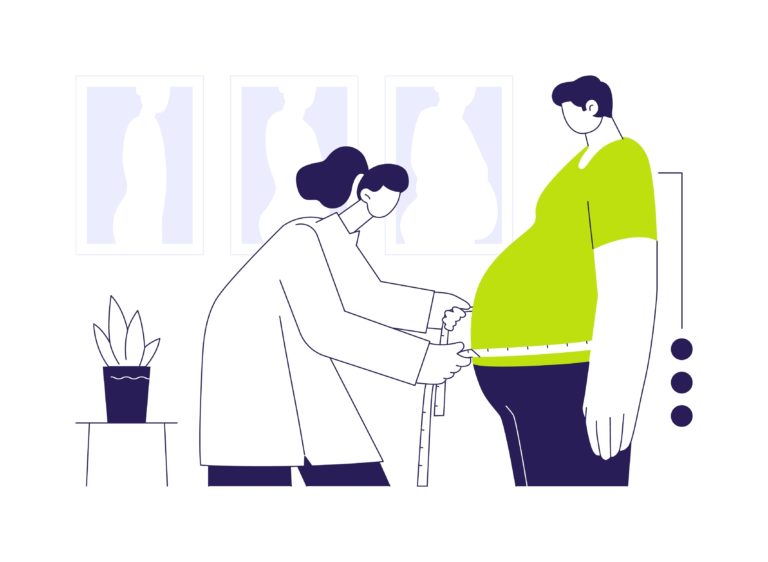
Cardiometabolic Effects of Intermittent Fasting
In patients with metabolic syndrome, time-restricted eating significantly improves glucose metabolism.

The Potential Harmful Effects of Food Packaging
An increasing number of studies show that certain chemical compounds found in food packaging can contaminate food and may cause harmful health effects.
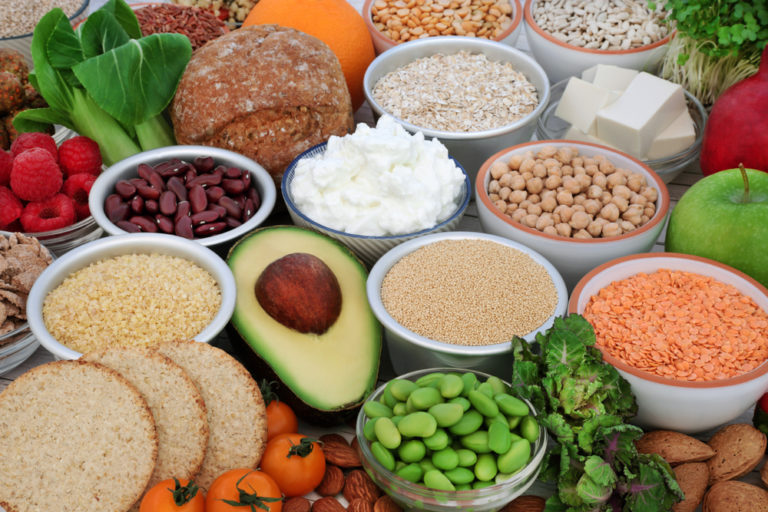
Increasing plant-based protein intake reduces the risk of cardiovascular disease
People who consume a high proportion of their protein from plants have a significantly reduced risk of developing cardiovascular disease.