
Dr Martin Juneau, M.D., FRCP
Cardiologue, directeur de l'Observatoire de la prévention de l'Institut de Cardiologie de Montréal. Professeur titulaire de clinique, Faculté de médecine de l'Université de Montréal. / Cardiologist and Director of Prevention Watch, Montreal Heart Institute. Clinical Professor, Faculty of Medicine, University of Montreal.

Reducing calorie intake by eating more plants
A low-fat, plant-only diet restricts caloric intake while improving cardiovascular health.
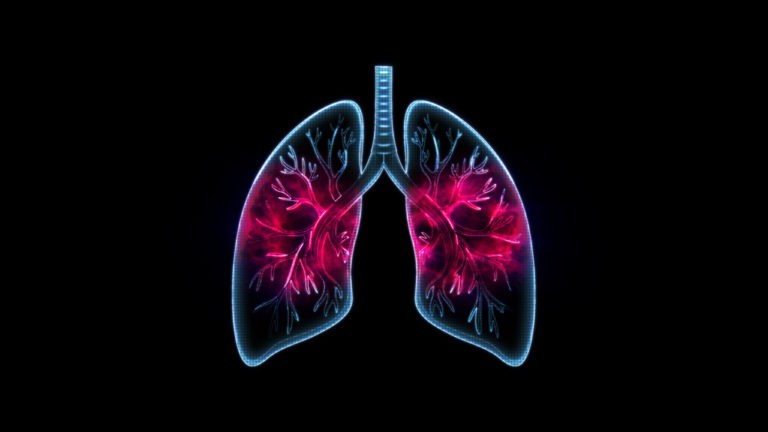
Electronic cigarettes cause much less inflammation than tobacco
Two recent studies show that the levels of inflammatory markers are drastically reduced in e-cigarette users compared to smokers of combustible cigarettes.

Effects of cold on cardiovascular health
Cold temperatures have marked effects on the cardiovascular system and are associated with an increase in cardiac symptoms, such as angina and arrhythmias, as well as an increased incidence of myocardial infarction.

Standing up is still doing a little exercise!
A study of a group of older people reports that simply spending more time standing, without necessarily moving, is associated with a reduced risk of premature death.

Control of inflammation through diet
Recent studies report that a diet that reduces chronic inflammation is associated with a lower risk of cardiovascular disease.

Do houseplants have beneficial effects on health?
Houseplants may provide mental and physiological health benefits based on research evidence.
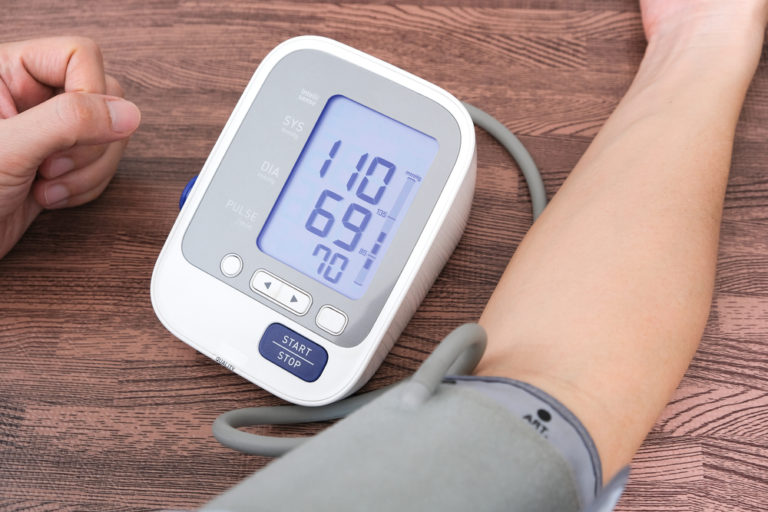
The importance of properly controlling your blood pressure
A study reports that the onset of hypertension before the age of 45 doubles the risk of cardiovascular disease and premature death.

Insufficient dietary fibre intake harms the gut microbiota and the immune system’s balance
An insufficient intake of dietary fibre has a detrimental effect on the gut microbiota and promotes the development of allergies and inflammatory and autoimmune diseases.

Electronic cigarettes drastically reduce exposure to toxic substances from tobacco
A study by the Institut Pasteur shows that the vapour from e-cigarettes contains 99% fewer toxic compounds than cigarette smoke.

Time-restricted feeding: A tool to lose weight and improve cardiometabolic health
According to a study of obese people, time-restricted feeding, a type of intermittent fasting, can help to lose weight and improve metabolic health, both when eating is limited to a 6-hour as well as 4-hour period.