

Dr Louis Bherer, Ph. D., Neuropsychologue
Professeur titulaire, Département de Médecine, Université de Montréal, Directeur adjoint scientifique à la direction de la prévention, chercheur et Directeur du Centre ÉPIC, Institut de cardiologie de Montréal.
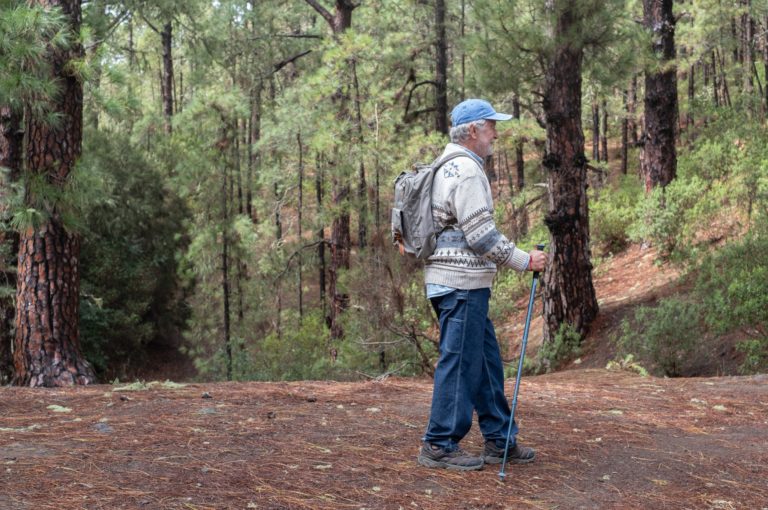
Preventing Alzheimer’s disease by walking?
A study reports that older adults who regularly engage in moderate physical activity (5,000-7,500 steps per day) show a decrease in certain markers of neurodegeneration and improved cognitive health.

Red Meat Consumption May Increase the Risk of Cognitive Decline and Dementia
A study reports that a higher intake of red meat, particularly processed meats, is associated with about a 15% increase in the risk of cognitive decline and dementia compared to a lower intake.

Accumulation of Microplastics in the Brain: A Link to Dementia?
Microplastics accumulate more in the brain than in other organs of the human body, particularly in individuals with dementia.

Preventing dementia: the crucial role of lifestyle habits
The latest report by the Lancet Commission on dementia prevention highlights 14 risk factors that can be modified to prevent or delay the development of about half of dementia cases.

Mental health: “weekend warriors” reap similar benefits to those who exercise regularly during the week
Exercising for one or two days a week provides the same mental health benefits as exercising every day of the week, according to a recent study.

Physical activity, exercise and brain health!
Exercise can prevent or slow the cognitive decline associated with aging if done regularly at a moderate intensity.

Exerkines : Mediators of the health benefits of exercise
Exerkines are molecules released in response to exercise, which have the potential to improve cardiovascular, metabolic, immunological, and neurological health.

The benefits of “forest bathing” on psychological well-being
The health benefits of “forest bathing” (shinrin-yoku) were recently evaluated in an umbrella study.

Eating well to maintain cognitive health
Several studies report that a plant-rich diet is associated with a reduced risk of cognitive decline and neurodegenerative diseases.

Living a healthy lifestyle could slow memory decline
According to a study in China, memory decline was slower in older people who had a healthy lifestyle, even in those who had a genetic risk factor (APOE4) for Alzheimer’s disease.