
Intermittent fasting: skip breakfast or eat dinner earlier?
One of the most popular forms of intermittent fasting is the 16:8 diet, where food intake is restricted to an 8-hour window, alternating with 16-hour fasting periods. This type of eating involves extending the fasting period, either by delaying or eliminating the first meal (breakfast) or by eating dinner earlier. Here is an overview of the pros and cons associated with each of these two approaches.
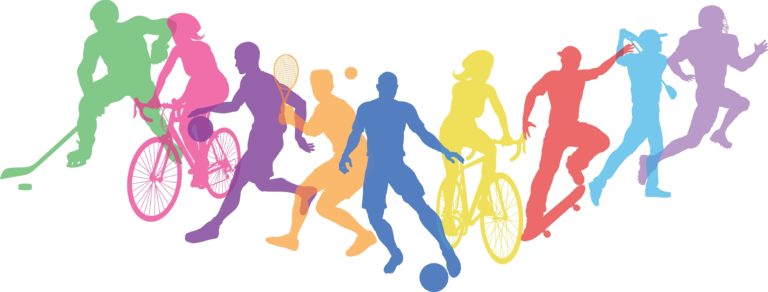
Mental health: “weekend warriors” reap similar benefits to those who exercise regularly during the week
Exercising for one or two days a week provides the same mental health benefits as exercising every day of the week, according to a recent study.

The anxiolytic effect of exercise: a new role for lactate
Lactate, a metabolite produced abundantly during sustained exercise, is thought to confer resistance against stress, according to a study carried out in mice.
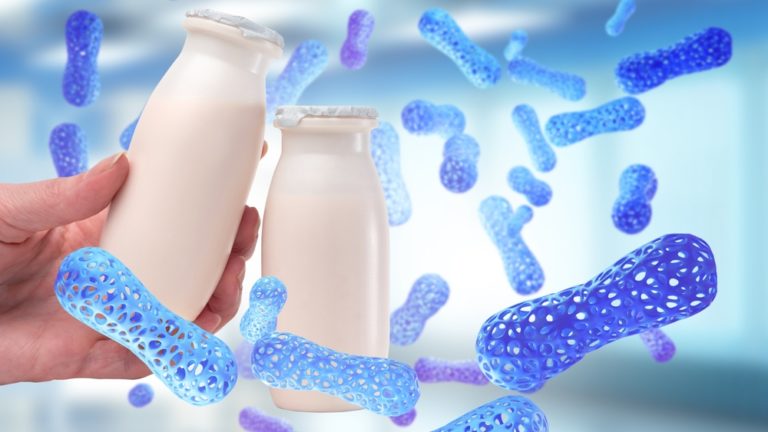
The anti-inflammatory effects of fermented foods
Several studies report that fermented foods have positive effects on the gut microbiota and reduce inflammation, a major risk factor for all chronic diseases.

How is anger linked to heart attacks and strokes?
Anger may affect the health of blood vessels by interfering with endothelium-dependent vasodilation, according to a randomized controlled study.

Increased longevity in elite athletes
According to a study, elite athletes who ran a mile in less than 4 minutes had increased longevity compared to the general population, a result that contradicts the hypothesis that extreme exercise is harmful to health and reduces longevity.

High-intensity resistance training to preserve muscle strength as we age
High-intensity resistance training practised near retirement age preserves muscle strength for several years, according to a recent study.

Exposure to heat has significant effects on the heart
According to a recent study, an increase in body temperature caused by passive exposure to heat causes a significant increase in myocardial blood flow, which is not without risks for people with coronary artery disease.
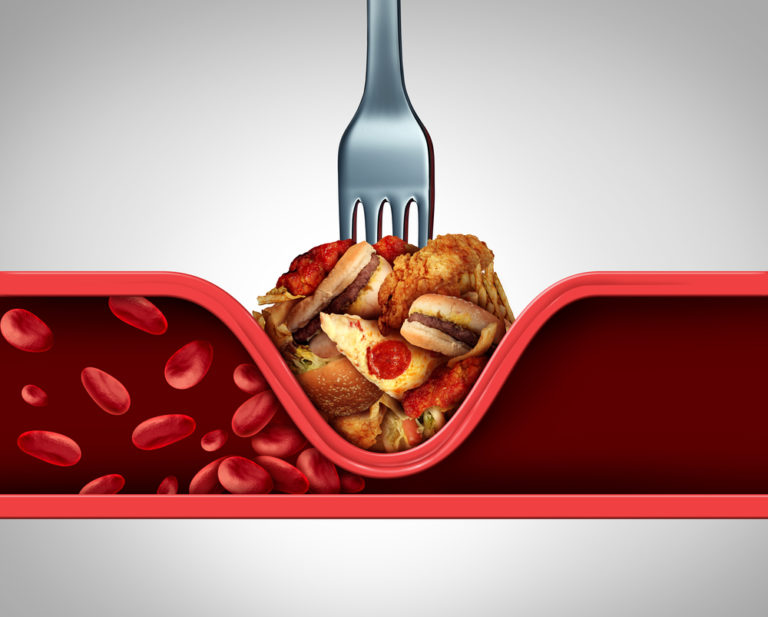
High protein intake could increase the risk of cardiovascular events
The development of atherosclerosis is greatly accelerated when protein intake is higher than recommended.
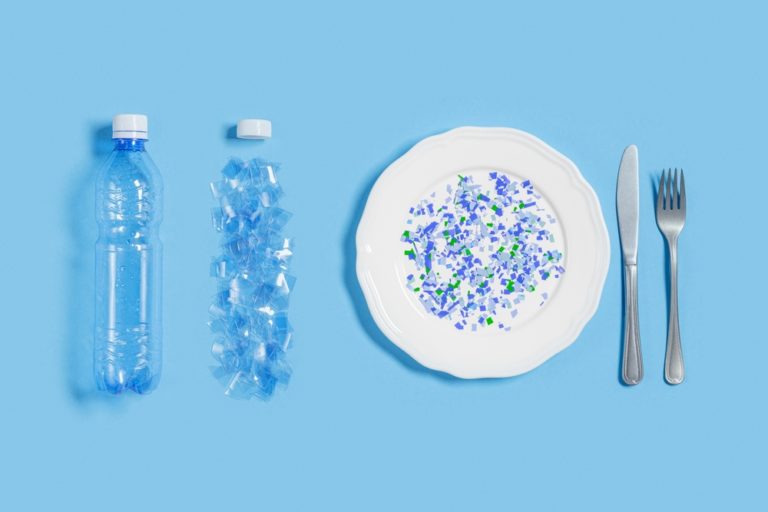
Harmful effects of plastics on cardiovascular health
According to an Italian study, the presence of plastic particles in carotid artery plaques in patients was associated with a higher risk of death or major cardiovascular events, compared to patients whose plaques did not contain plastic.