
Nutrition
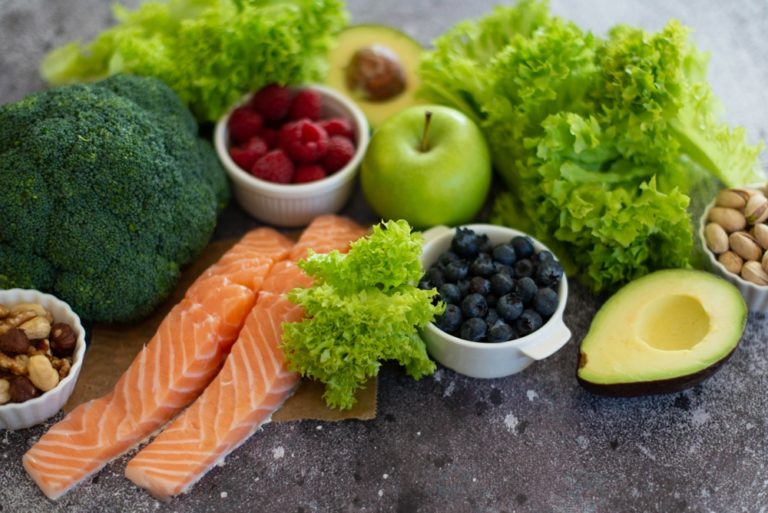
Eating well to maintain cognitive health
Several studies report that a plant-rich diet is associated with a reduced risk of cognitive decline and neurodegenerative diseases.
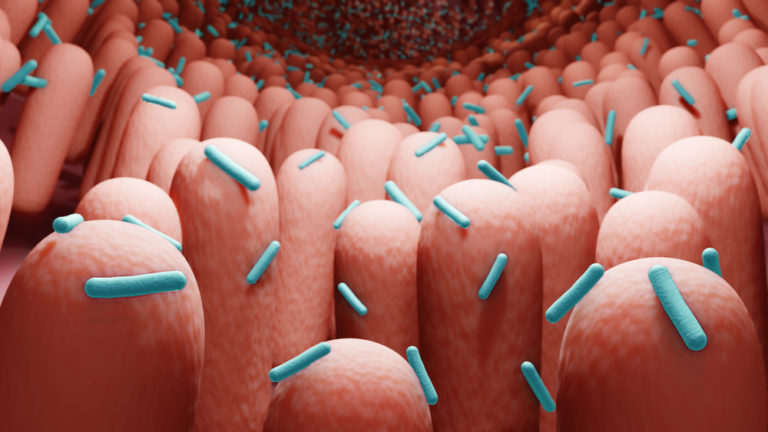
Akkermansia muciniphila: An essential bacterium for maintaining good health
Akkermansia muciniphila, a bacterium that colonizes the mucus layer of the intestinal wall, contributes to the maintenance of this protective layer and generates metabolites that have several beneficial effects on metabolism and immunity.
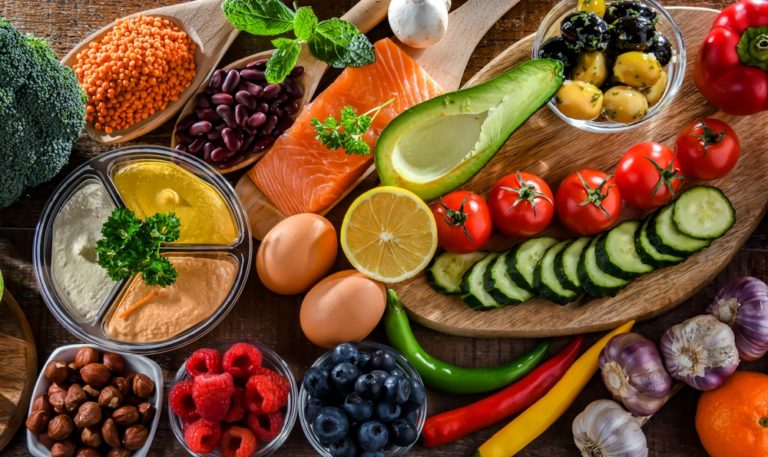
After a heart attack, the Mediterranean diet significantly reduces the risk of recurrence
A large Spanish study confirms that in people affected by coronary heart disease, the Mediterranean diet considerably reduces the risk of cardiovascular events.

Ozempic® (semaglutide) and Mounjaro™ (tirzepatide), a major breakthrough for the treatment of obesity
Initially developed to treat patients with type 2 diabetes, these drugs also cause significant weight loss and are establishing themselves as the first truly effective pharmacological treatments for obesity.

Living a healthy lifestyle could slow memory decline
According to a study in China, memory decline was slower in older people who had a healthy lifestyle, even in those who had a genetic risk factor (APOE4) for Alzheimer’s disease.

The pros and cons of alcohol
This is an updated version of an article originally published in 2018 Even though alcohol has been a daily part of human existence for millennia, the substance is far from innocuous and in fact has very complex effects on health. This complexity is well illustrated by the J-shaped relationship between the quantity of alcohol consumed […]
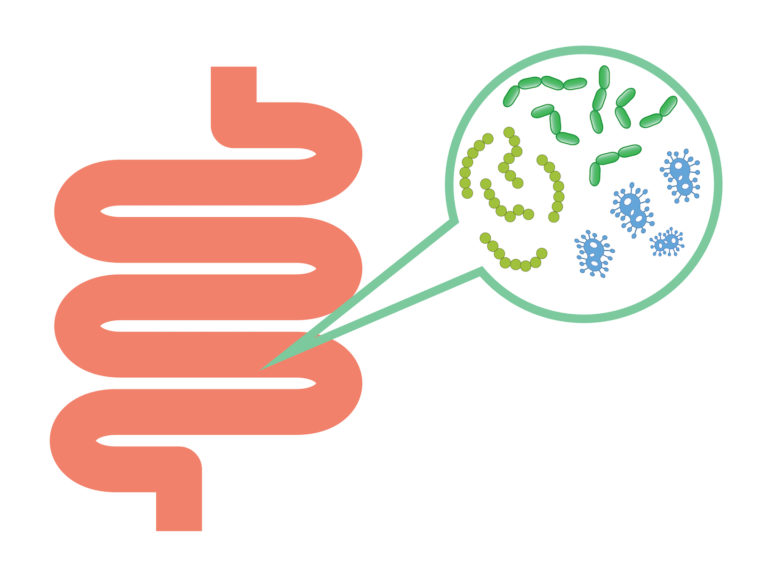
Gut microorganisms boost motivation to exercise
In mice, certain species of gut bacteria produce molecules that activate nerves that are connected to the brain, thereby stimulating reward circuits associated with exercise.
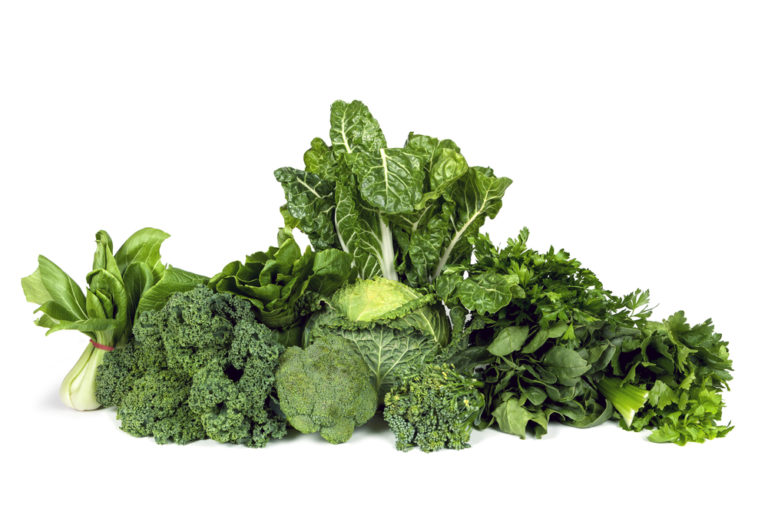
A diet rich in flavonols is associated with slower cognitive decline
A dietary intake rich in flavonols, mainly from fruits and vegetables, is associated with a slowing of the progression of cognitive and memory decline in the elderly, according to a US study.

Association between red meat consumption and the risk of cardiovascular disease: An important role of L-carnitine metabolites
A new American study shows an unfavourable association between red meat consumption and the incidence of cardiovascular disease, an association attributable in part to TMAO and other L-carnitine metabolites.

Ultra-processed foods associated with an increased risk of dementia
Consuming large amounts of ultra-processed foods increases the risk of developing dementia as you age, according to a recent study.