
Cardiovascular diseases

Increased longevity in elite athletes
According to a study, elite athletes who ran a mile in less than 4 minutes had increased longevity compared to the general population, a result that contradicts the hypothesis that extreme exercise is harmful to health and reduces longevity.

Exposure to heat has significant effects on the heart
According to a recent study, an increase in body temperature caused by passive exposure to heat causes a significant increase in myocardial blood flow, which is not without risks for people with coronary artery disease.
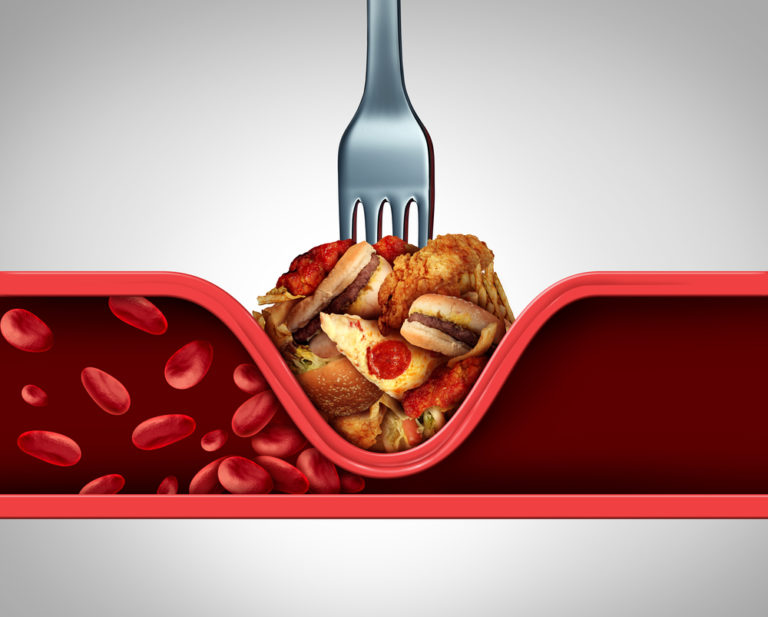
High protein intake could increase the risk of cardiovascular events
The development of atherosclerosis is greatly accelerated when protein intake is higher than recommended.

Harmful effects of plastics on cardiovascular health
According to an Italian study, the presence of plastic particles in carotid artery plaques in patients was associated with a higher risk of death or major cardiovascular events, compared to patients whose plaques did not contain plastic.

Slowing down aging, a new concept for the prevention of all chronic diseases
Age is an important risk factor for all chronic diseases, implying that finding ways to slow down aging could simultaneously delay the onset of all these diseases and significantly improve healthy life expectancy.

Association between physical activity and premature mortality: Differences between women and men?
Women enjoy greater health benefits from physical activity than men at equivalent or lower doses, according to a study of 412,413 American adults.
Prevention of myocardial infarction through moderate alcohol consumption: The benefits of red wine
A very large number of studies have clearly shown that moderate alcohol intake is associated with a significant reduction in coronary heart disease and premature mortality. Regular consumption of small quantities of red wine seems particularly beneficial, in particular because of a lower risk of several cancers observed in wine drinkers.

Cardiovascular benefits associated with body weight loss
The results of clinical studies on new anti-obesity drugs confirm that significant body weight loss is associated with a reduced risk of cardiovascular disease.

Physical activity, exercise and brain health!
Exercise can prevent or slow the cognitive decline associated with aging if done regularly at a moderate intensity.
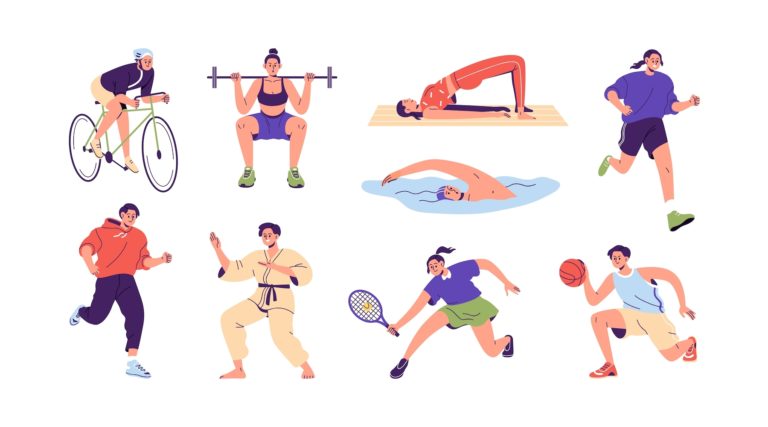
Exerkines : Mediators of the health benefits of exercise
Exerkines are molecules released in response to exercise, which have the potential to improve cardiovascular, metabolic, immunological, and neurological health.