

Noise, a little-known risk factor for cardiovascular disease
Several epidemiological studies report that prolonged exposure to traffic noise is associated with an increased risk of cardiovascular disease.

The benefits of “forest bathing” on psychological well-being
The health benefits of “forest bathing” (shinrin-yoku) were recently evaluated in an umbrella study.

Reducing chronic stress contributes to the positive effects of moderate alcohol consumption on the risk of cardiovascular disease
A study reports that moderate alcohol consumption (1-14 drinks per week) reduces activity in the amygdala, the region of the brain involved in the stress response. The resulting reduction in chronic stress is associated with a reduction in the risk of cardiovascular events.

Lifestyle habits are the key to improving healthy life expectancy
The adoption of a series of measures that optimize cardiovascular health is associated with a significant increase in the number of years of life without chronic diseases.

Preventing cardiovascular disease also means preventing cancer!
One study reports that people who have cardiovascular disease are at much higher risk of developing several types of cancers in the years that follow.

The best types of diet to prevent cardiovascular disease
A panel of experts from the American Heart Association compared the effects of 10 popular diets on cardiovascular health. Unsurprisingly, diets based on a high plant intake are the best choices, far ahead of extreme diets such as paleo and keto.

Eating well to maintain cognitive health
Several studies report that a plant-rich diet is associated with a reduced risk of cognitive decline and neurodegenerative diseases.

A moderate amount and frequency of walking are associated with health benefits
The results of a recent study suggest that it is possible to obtain substantial health benefits from walking only a few days a week.
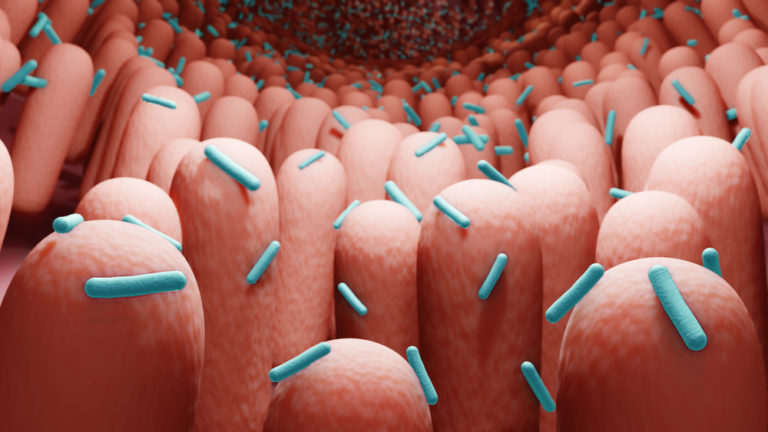
Akkermansia muciniphila: An essential bacterium for maintaining good health
Akkermansia muciniphila, a bacterium that colonizes the mucus layer of the intestinal wall, contributes to the maintenance of this protective layer and generates metabolites that have several beneficial effects on metabolism and immunity.
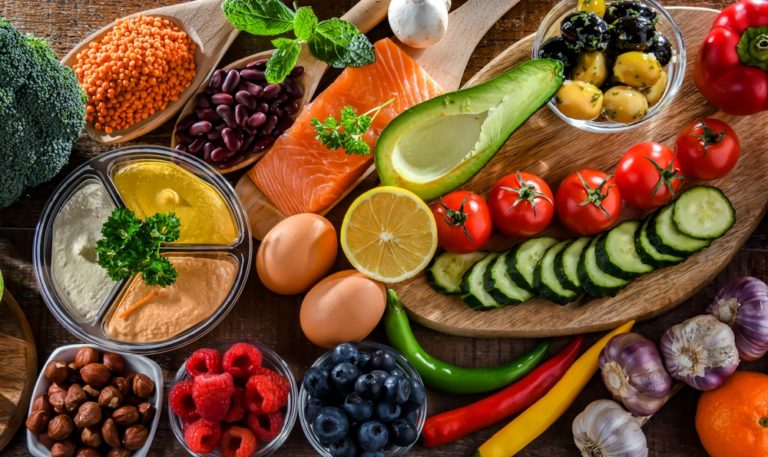
After a heart attack, the Mediterranean diet significantly reduces the risk of recurrence
A large Spanish study confirms that in people affected by coronary heart disease, the Mediterranean diet considerably reduces the risk of cardiovascular events.