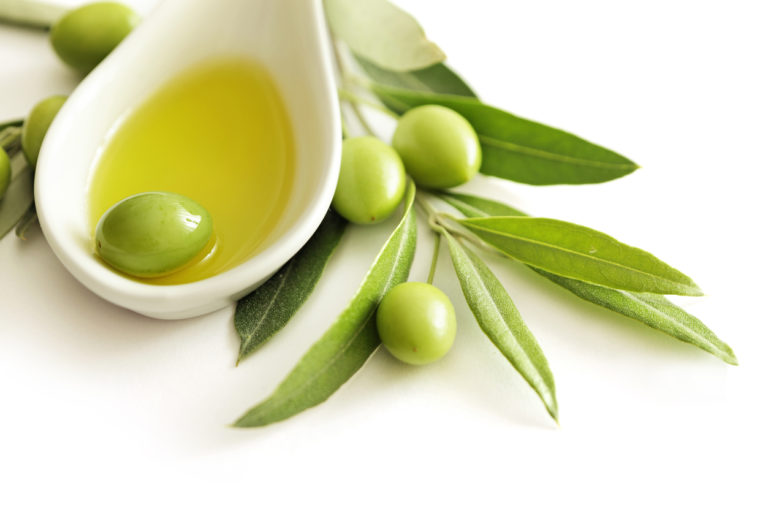
Olive oil, the best source of fat for cooking
A new U.S. study confirms that regular consumption of olive oil is associated with a reduced risk of coronary heart disease.
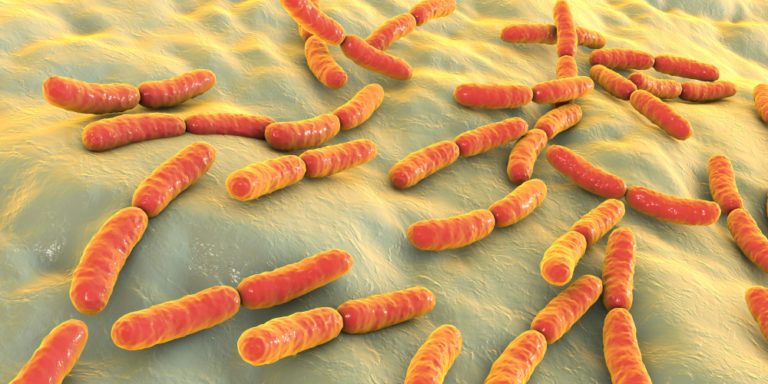
A new metabolite derived from the microbiota linked to cardiovascular disease
Researchers have identified a new metabolite derived from the gut microbiota, phenylacetylglutamine, which is associated with cardiovascular disease through a mechanism of hyperactivation of blood platelets.
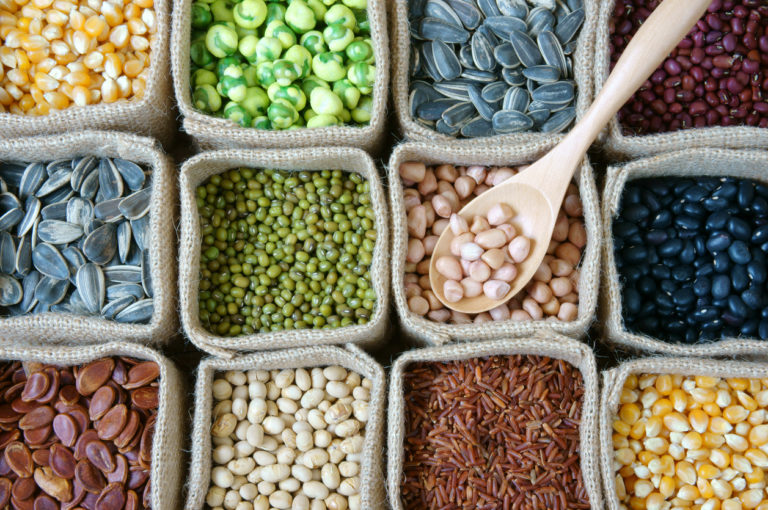
Plant or animal proteins: An impact on health
According to recent studies, reducing the intake of animal proteins and replacing them with plant-based proteins seems beneficial for maintaining good health.

Optimism reduces the risk of cardiovascular disease and mortality
According to prospective studies, optimism is associated with a lower risk of cardiovascular events and premature death.
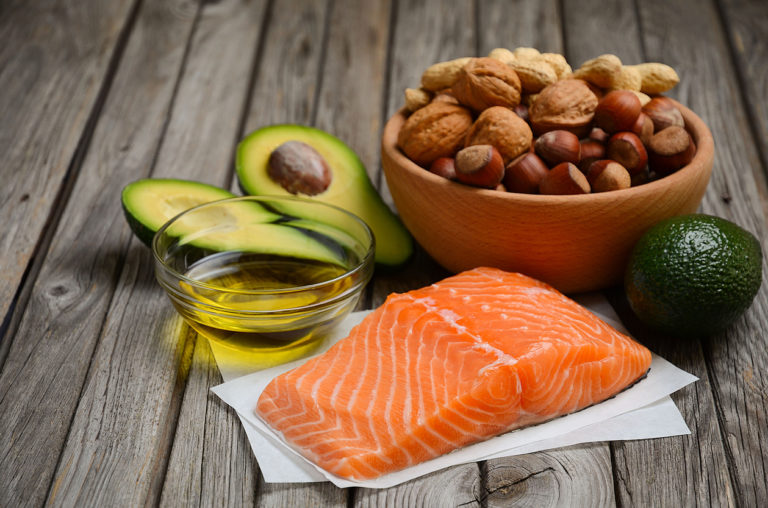
Choosing dietary sources of unsaturated fats has many health benefits
It is now clearly established that replacing saturated fats with unsaturated fats (monounsaturated or polyunsaturated) is associated with a significant reduction in the risk of cardiovascular disease.
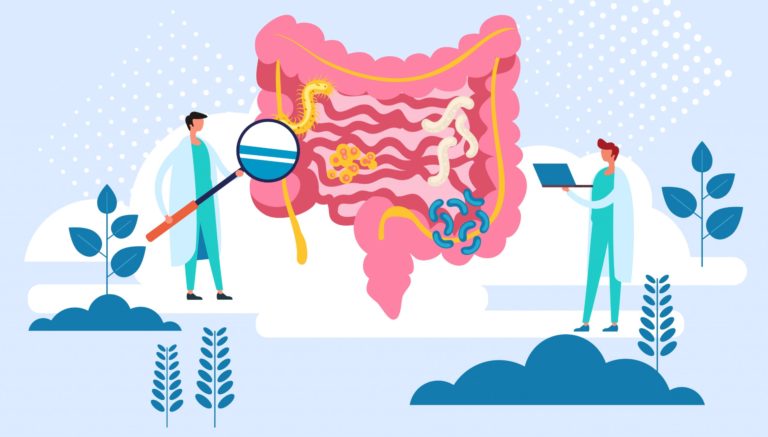
Effectiveness of exercise to prevent and mitigate diabetes: An important role of the gut microbiota
In overweight, prediabetic and sedentary men, exercise induced changes in the gut microbiota that are correlated with improvements in blood sugar control and insulin sensitivity.
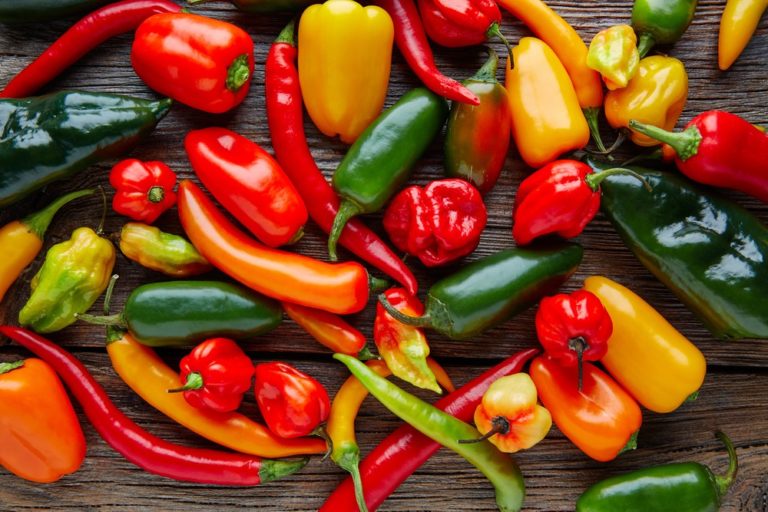
Spicing up the prevention of cardiovascular disease with chili peppers
A study reports that people who regularly consume chili peppers have a reduced risk of dying prematurely from a heart attack or stroke.
Exercise reduces cardiovascular inflammation by modulating the immune system
Voluntary and regular exercise in mice decreases the number of inflammatory leukocytes (white blood cells) in the bloodstream. The underlying mechanism involves a decrease in the secretion of the hormone leptin by fat cells.
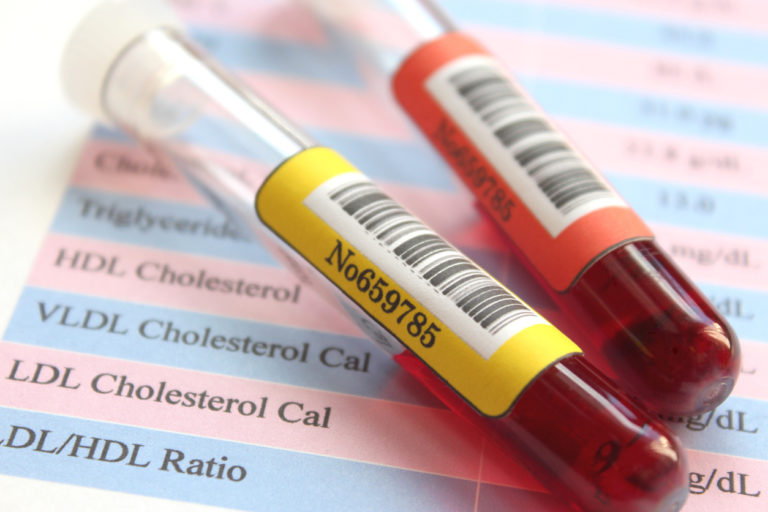
The importance of maintaining normal cholesterol levels, even at a young age
One study reports that young adults with high blood cholesterol levels are much more likely to be affected by cardiovascular disease later in life.

Exercise on an empty stomach to burn more fat
Exercising on an empty stomach, rather than after a meal, could burn twice as much fat according to a randomized controlled study.