
Atherosclerosis
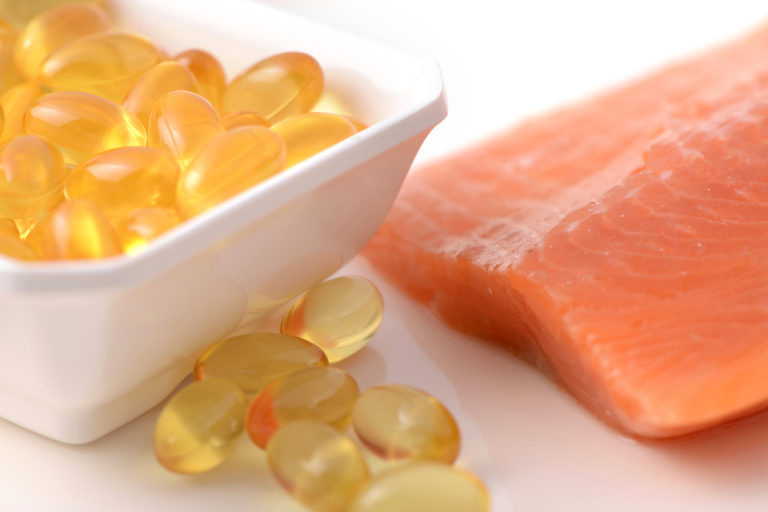
Omega-3 fatty acid supplements are ineffective for the prevention of cardiovascular disease
Recent studies indicate that omega-3 fatty acid supplements are ineffective in preventing major cardiovascular events, in primary prevention and most likely also in secondary prevention.

Reducing calorie intake by eating more plants
A low-fat, plant-only diet restricts caloric intake while improving cardiovascular health.
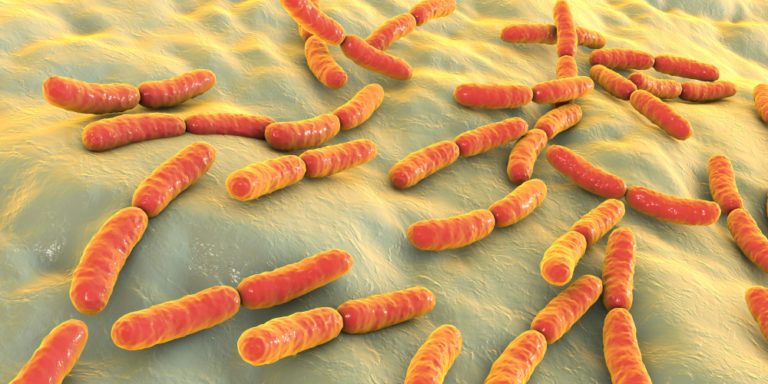
A new metabolite derived from the microbiota linked to cardiovascular disease
Researchers have identified a new metabolite derived from the gut microbiota, phenylacetylglutamine, which is associated with cardiovascular disease through a mechanism of hyperactivation of blood platelets.
Exercise reduces cardiovascular inflammation by modulating the immune system
Voluntary and regular exercise in mice decreases the number of inflammatory leukocytes (white blood cells) in the bloodstream. The underlying mechanism involves a decrease in the secretion of the hormone leptin by fat cells.
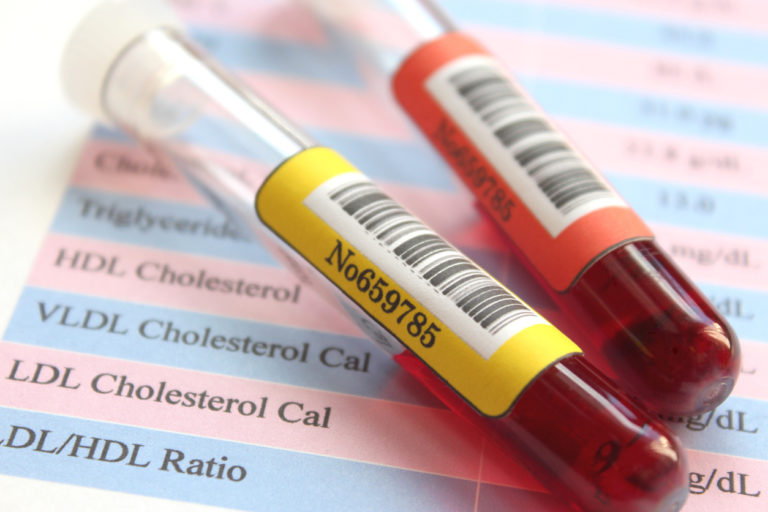
The importance of maintaining normal cholesterol levels, even at a young age
One study reports that young adults with high blood cholesterol levels are much more likely to be affected by cardiovascular disease later in life.

Eggs: To consume with moderation
A recent study found a significant, albeit modest, association between the consumption of eggs or dietary cholesterol and the incidence of cardiovascular disease and all-cause mortality.
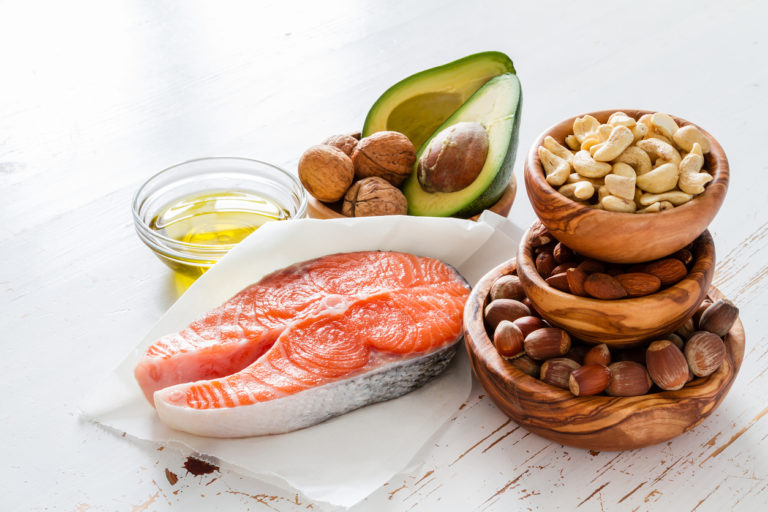
Toward a consensus on the effects of dietary fat on health
It is not so much the total amount of sugar or fat in the diet that matters, but rather the type of sugar or fat that is consumed.
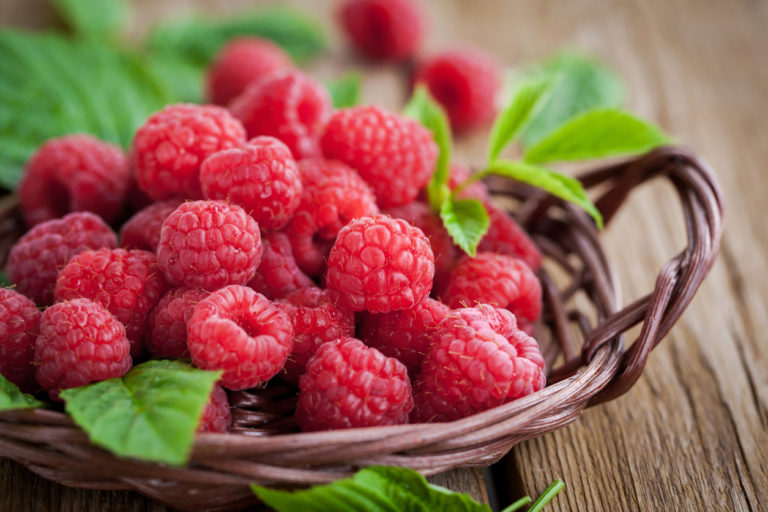
The effects of berries on cardiovascular health
Berries provide significant health benefits because of their high content of phenolic compounds, antioxidants, vitamins, minerals and fiber.

The effects of nitrates and nitrites on the cardiovascular system
According to several studies, nitrates found in fruits and vegetables can be beneficial for cardiovascular health and sports performance.